Archives
- 2026-10
- 2026-09
- 2026-08
- 2026-07
- 2026-06
- 2026-05
- 2026-04
- 2026-03
- 2026-02
- 2026-01
- 2025-12
- 2025-11
- 2025-10
- 2025-09
- 2025-03
- 2025-02
- 2025-01
- 2024-12
- 2024-11
- 2024-10
- 2024-09
- 2024-08
- 2024-07
- 2024-06
- 2024-05
- 2024-04
- 2024-03
- 2024-02
- 2024-01
- 2023-12
- 2023-11
- 2023-10
- 2023-09
- 2023-08
- 2023-07
- 2023-06
- 2023-05
- 2023-04
- 2023-03
- 2023-02
- 2023-01
- 2022-12
- 2022-11
- 2022-10
- 2022-09
- 2022-08
- 2022-07
- 2022-06
- 2022-05
- 2022-04
- 2022-03
- 2022-02
- 2022-01
-
Lastly certain populations of immune cells may be Hh
2022-02-21
Lastly, certain populations of immune cells may be Hh responsive. Although PC have not been demonstrated in healthy liver-resident macrophages or lymphocytes, macrophages in injured livers have been shown to produce Hh ligands[58], [100], [101] and treating liver-derived macrophages with neutralisin
-
Lipid sensing GPCRs as therapeutic targets G
2022-02-21

Lipid-sensing GPCRs as therapeutic targets G-protein-coupled receptors (GPCRs) comprise a family of cell-surface receptors that respond to various extracellular stimuli such as light, odorants, neurotransmitters and hormones, and trigger a cascade of intracellular signaling. There are approximately
-
br Mutagenesis and Receptor Modeling Studies br Signal Trans
2022-02-21
Mutagenesis and Receptor-Modeling Studies Signal Transduction and Receptor Desensitization Therapeutic Potential of HCA Receptor Ligands Although all members of the HCA receptor family are potentially interesting drug targets, only HCA2 is currently exploited as such. Therefore, this sectio
-
Notably we observed that GPR activation induced
2022-02-21
Notably, we observed that GPR35 activation induced by PA, an in vivo GPR35 agonist [6], significantly decreased DAI, colon weight, and histological score, while increasing colon length in mice with DSS-induced colitis. Furthermore, fibronectin and integrin α5 were co-localized with GPR35 on the colo
-
A few of the islet
2022-02-21
A few of the islet-specific proteins identified in the present study have previously been described in various contexts of pancreatic islets, i.e. PTPRN, SCG5, SCGN, SNAP25 and SNED1, validating the search algorithm applied and supporting the notion that also the novel proteins identified are indeed
-
We also noticed that acetic acid by
2022-02-21
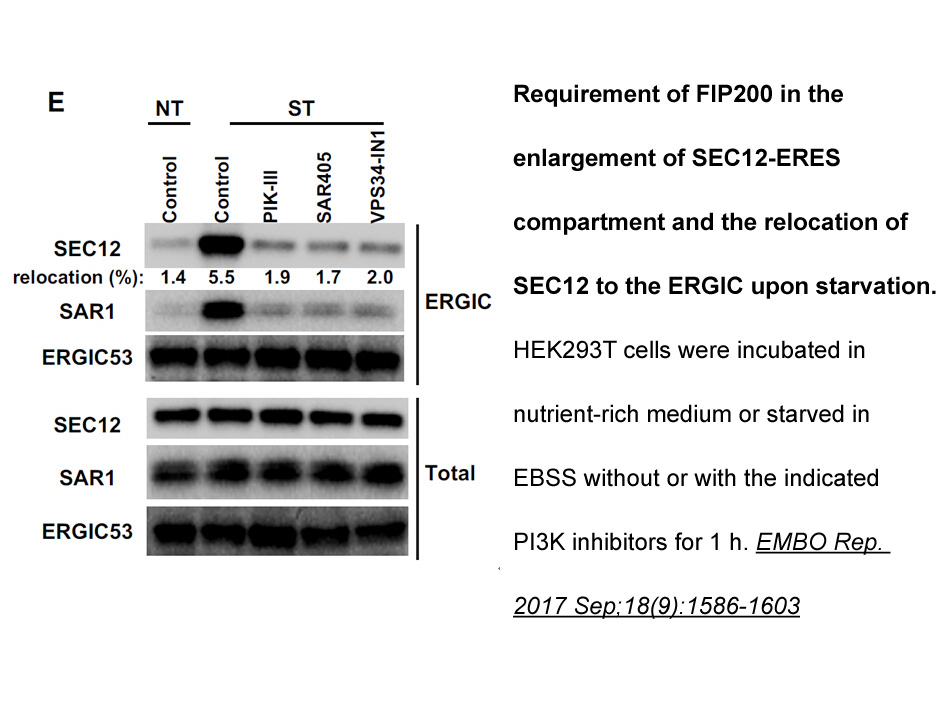
We also noticed that acetic acid by itself (used to induce pain) increased spinal cord levels of KYNA (see Fig. 5). The most rational explanation of this finding is based on the possibility that acetic acid and KYNA share the same transport systems and the finding is therefore not surprising. Altho
-
Recently the novel fatty acid receptor GPR also
2022-02-21
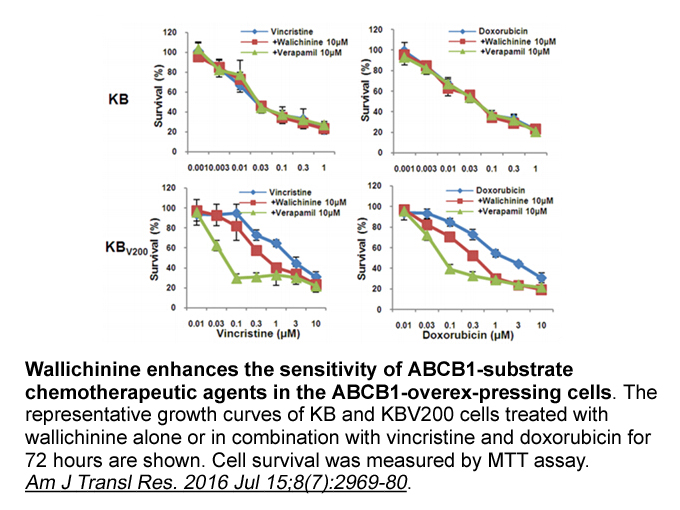
Recently, the novel fatty NVP-CGM097 synthesis receptor, GPR120 (also called FFAR4), has been shown to be implicated in diverse physiological homeostasis, such as insulin sensitization, anti-inflammation and regulation of appetite (Hirasawa et al., 2005, Oh et al., 2010). Notably, it is abundantly
-
br Results br Discussion The twin cysteine motif is
2022-02-21
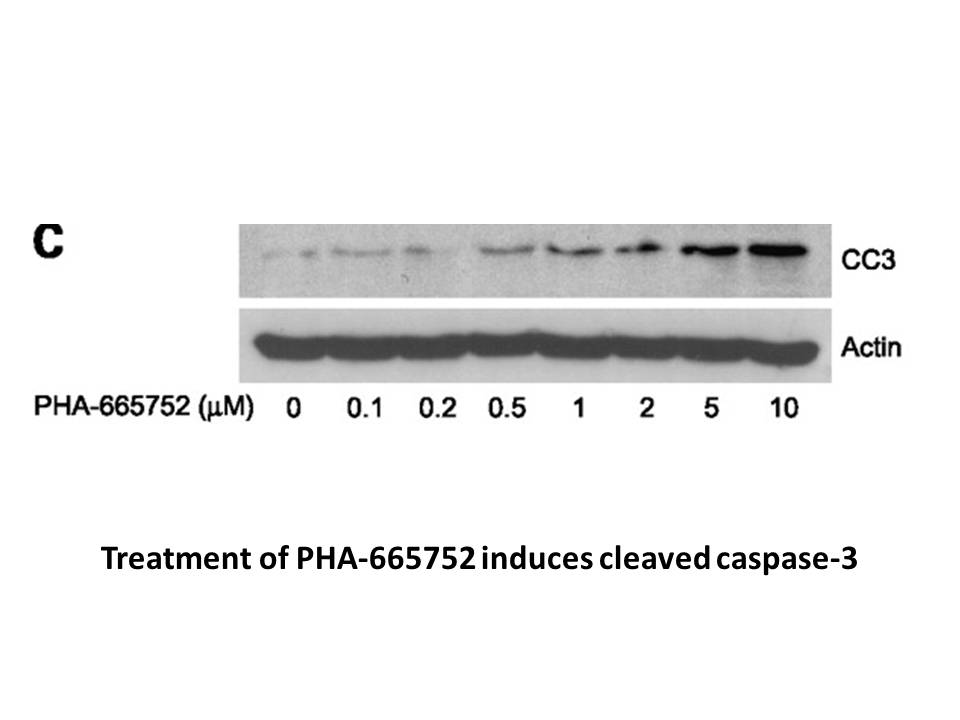
Results Discussion The twin-cysteine motif is an evolutionary conserved motif in all primate lentiviruses except HIV-1 and some strains of SIVcpz according to sequence analysis (Bohl et al., 2013). It is assumed that only those SIVcpz which have lost the twin-cysteines successfully evolved to
-
A high throughput screening campaign of the
2022-02-21
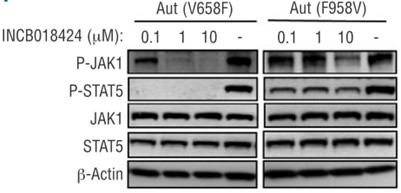
A high-throughput screening campaign of the Lilly corporate compound collection led to the discovery of as potent and selective inhibitor of GlyT1 (IC=45nM, GlyT2 IC>30,000nM). In addition to the characteristic -methyl glycine moiety as acidic head group and the novel ethanolamine linker, also co
-
br Conflicts of interest br Funding This work
2022-02-18
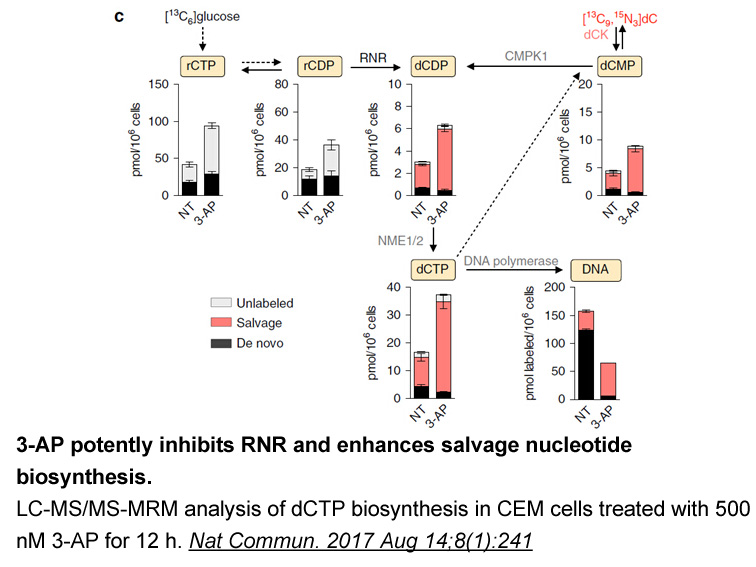
Conflicts of interest Funding This work was supported by the National Natural Science Foundation of China (No.81670558; 81800542), and the Science & Technology Development Fund of Tianjin Education Commission for Higher Education (No.2017KJ221). Acknowledgements Introduction Free fatty
-
br Acknowledgements This work was supported by the Science a
2022-02-18

Acknowledgements This work was supported by the Science and Technology Department of Hubei Province (No.2016CFB368) and the National Natural Science Foundation of China (No. 81201053). Introduction L-Glutamate (glutamate) is the most important excitatory neurotransmitter of the central nervou
-
br Galanin in depression A major
2022-02-18
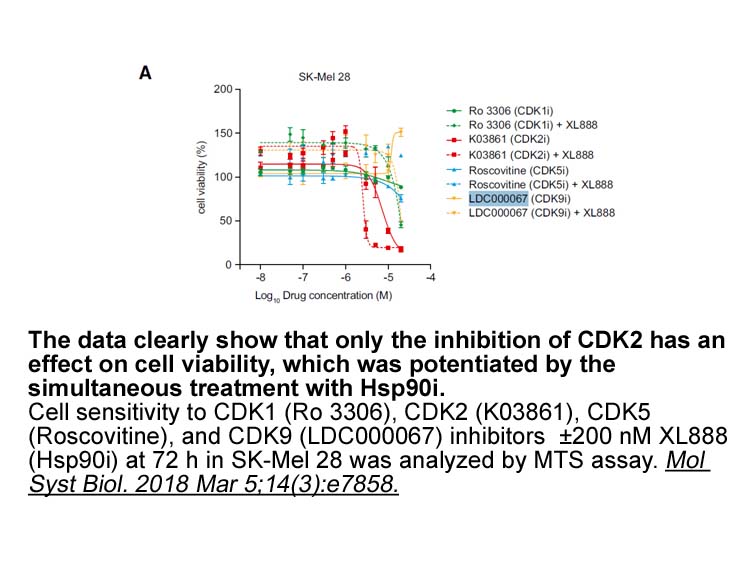
Galanin in depression A major impediment in depression research is the lack of validated animals´ models. Animals not only lack consciousness of self, self-reflection and consideration of others but also hallmarks of the disorder such as depressed mood, low self-esteem or suicidal intent are hard
-
Developmental studies have reported that
2022-02-18
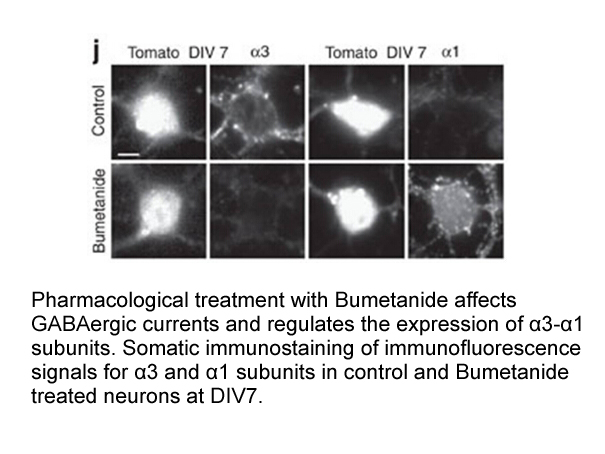
Developmental studies have reported that some subunits of GABAA receptors like α2 and α3 are predominantly expressed during in-utero development, and then substituted for α1 around birth in the rat hippocampus (Brooks-Kayal et al., 2001; Fritschy et al., 1994; Golshani et al., 1997; Kapur and Macdon
-
Prior models suggest that the terminal ends
2022-02-18
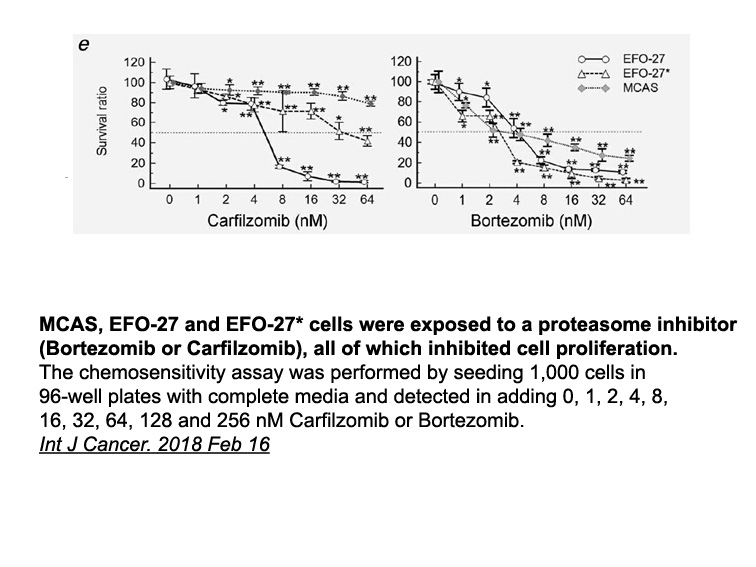
Prior models suggest that the terminal ends of the endocrine FGFs individually determine FGFR and KLB recognition, with little or no cross-talk. Our results confirm that short C-terminal sequences are necessary and sufficient to bind KLB and, supportive of a common mechanism, the underlying structur
-
br Materials and methods Patients charts were reviewed retro
2022-02-18
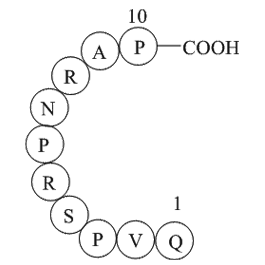
Materials and methods Patients’ charts were reviewed retrospectively, and 165 consecutive patients (82 with cancer and 83 without cancer) who either started edoxaban (Lixiana®, Daiichi-Sankyo, Tokyo, Japan) therapy for the treatment of VTE or were switched from other oral anticoagulants to edoxab
7981 records 505/533 page Previous Next First page 上5页 501502503504505 下5页 Last page