Archives
- 2026-07
- 2026-06
- 2026-05
- 2026-04
- 2026-03
- 2026-02
- 2026-01
- 2025-12
- 2025-11
- 2025-10
- 2025-09
- 2025-03
- 2025-02
- 2025-01
- 2024-12
- 2024-11
- 2024-10
- 2024-09
- 2024-08
- 2024-07
- 2024-06
- 2024-05
- 2024-04
- 2024-03
- 2024-02
- 2024-01
- 2023-12
- 2023-11
- 2023-10
- 2023-09
- 2023-08
- 2023-07
- 2023-06
- 2023-05
- 2023-04
- 2023-03
- 2023-02
- 2023-01
- 2022-12
- 2022-11
- 2022-10
- 2022-09
- 2022-08
- 2022-07
- 2022-06
- 2022-05
- 2022-04
- 2022-03
- 2022-02
- 2022-01
- 2021-12
- 2021-11
- 2021-10
- 2021-09
- 2021-08
- 2021-07
- 2021-06
- 2021-05
- 2021-04
- 2021-03
- 2021-02
- 2021-01
- 2020-12
- 2020-11
- 2020-10
- 2020-09
- 2020-08
- 2020-07
- 2020-06
- 2020-05
- 2020-04
- 2020-03
- 2020-02
- 2020-01
- 2019-12
- 2019-11
- 2019-10
- 2019-09
- 2019-08
- 2019-07
- 2019-06
- 2019-05
- 2019-04
- 2018-11
- 2018-10
- 2018-07
-
br Methods br Results IAA abrogated the protective effects
2019-11-18

Methods Results IAA-94 abrogated the protective effects of IPC as it increased myocardial infarction (MI) due to IR injury in vitro (Diaz et al., 1999), and also prevented cyclosporine A mediated cardioprotection (Diaz et al., 2013). Moreover, IAA-94-sensitive currents were observed in cardiac
-
selective estrogen receptor modulators br Marginal zone lymp
2019-11-18

Marginal zone lymphoma Marginal zone lymphoma (MZL) comprises three lymphoma entities that arise from the marginal zone surrounding the germinal center: extranodal MZL or mucosa-associated lymphoid tissue (MALT), splenic MZL, and nodal MZL. Deep sequencing of nodal MZL patients found that 5/35 (1
-
br Introduction The Epstein Barr virus
2019-11-18
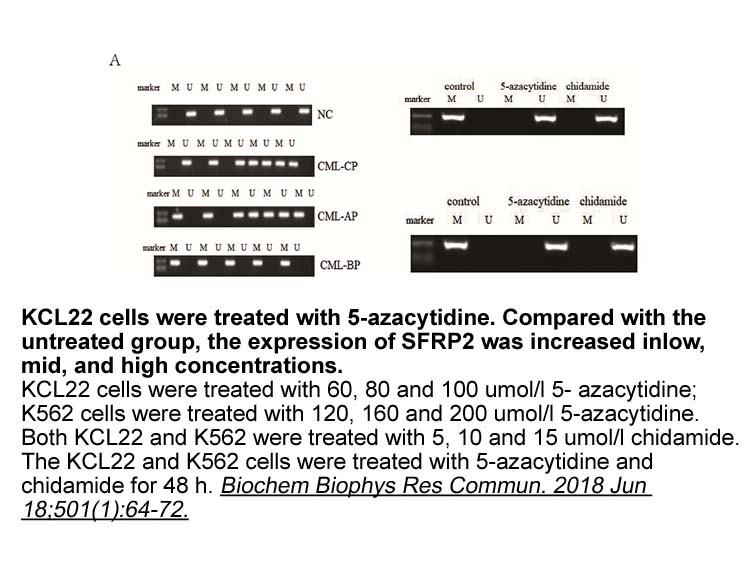
Introduction The Epstein–Barr virus induced gene 2 (EBI2 also known as GPR183) is a G protein-coupled seven-transmembrane (7TM) receptor that is predominantly expressed in B and T cells [1,2]. It regulates the trafficking of kit inhibitor within lymphoid tissues and is highly important for the g
-
Expression of both CH H and
2019-11-18
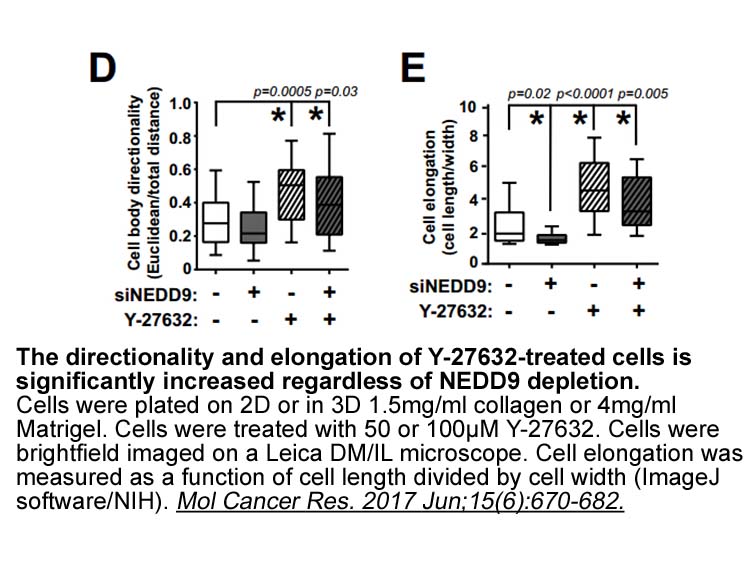
Expression of both CH25H and CYP7B1 by lymphoid stromal MS436 synthesis is required for the synthesis of 7α,25-OHC in lymphoid tissues and the correct positioning of B cells. Production of EBI2 ligand by hematopoietically derived cells appears limited [24] but may occur under some circumstances, gi
-
Although elevated production of cysLTs
2019-11-18
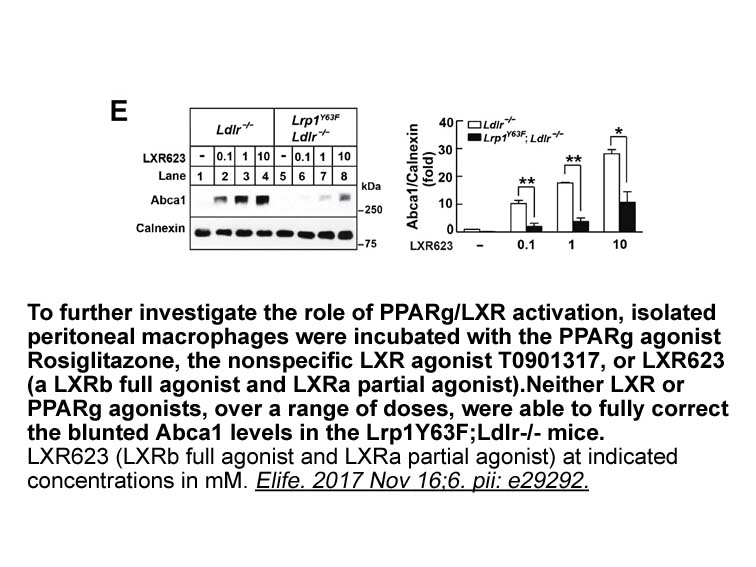
Although elevated production of cysLTs is characteristic of rhinosinusitis of diverse etiology, patients with aspirin-sensitive rhinosinusitis show even higher levels of cysLTs in the nasal mucosa, which are further enhanced by aspirin challenge., Elevated production of cysLTs in these patients may
-
Drug drug interactions are frequently attributed to function
2019-11-18
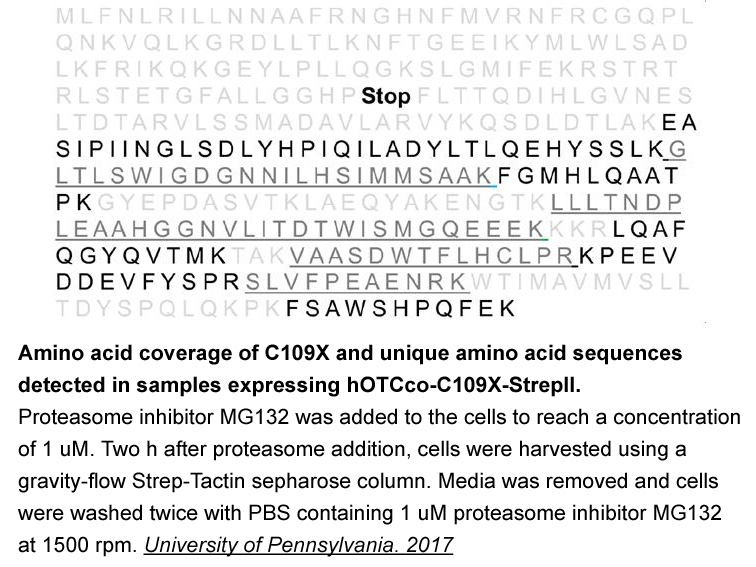
Drug-drug interactions are frequently attributed to functional alterations in CYP enzymes, including inhibition and induction (Chen et al., 2014, Wang et al., 2013). Mechanism-based inhibition is an irreversible form of enzyme inhibition and could form a stable inhibitor-enzyme complex, which is tho
-
br Results br Discussion Fetal development occurs under
2019-11-18

Results Discussion Fetal development occurs under conditions of low oxygen tension and steady maternal glucose such that physiologic systems including the pancreas are functionally poised in the prenatal state. Postnatally, oxidative metabolism becomes dominant and intermittent feeding exposes
-
In this context we initiated
2019-11-18
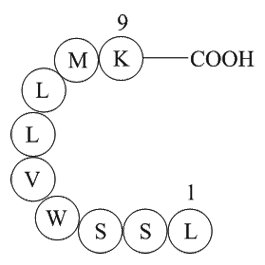
In this context, we initiated a program to develop new antiviral chemotypes towards a host factor implicated in Letrozole replication: the host (human) dihydrofolate reductase (DHFR) [21]. We recently identified this enzyme as the molecular target of 1-aryl-4,6-diamino-1,2-dihydrotriazines, structur
-
The authors gratefully acknowledge financial support from th
2019-11-18
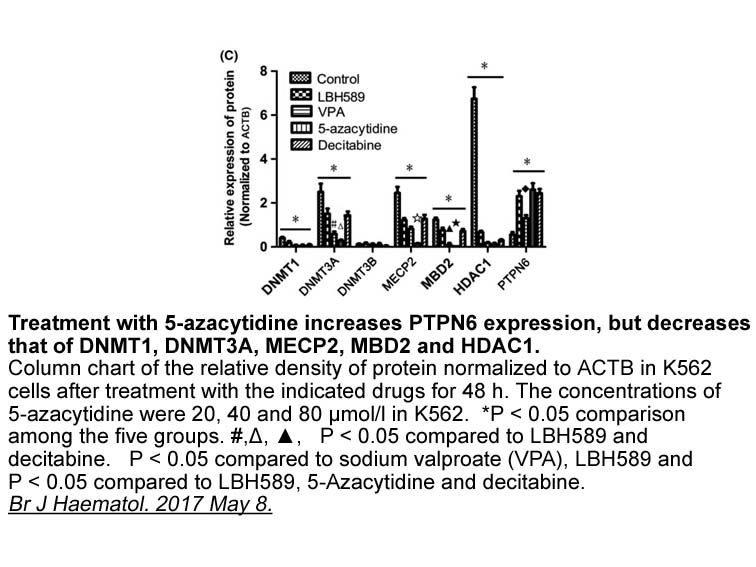
The authors gratefully acknowledge financial support from the State of São Paulo Research Foundation (FAPESP, Fundação de Amparo à Pesquisa do Estado de São Paulo), grants 2013/07600-3 and 2013/25658-9, and the National Council for Scientific and Technological Development (CNPq, Conselho Nacional de
-
The X ray crystal structure of palbociclib bound to
2019-11-18
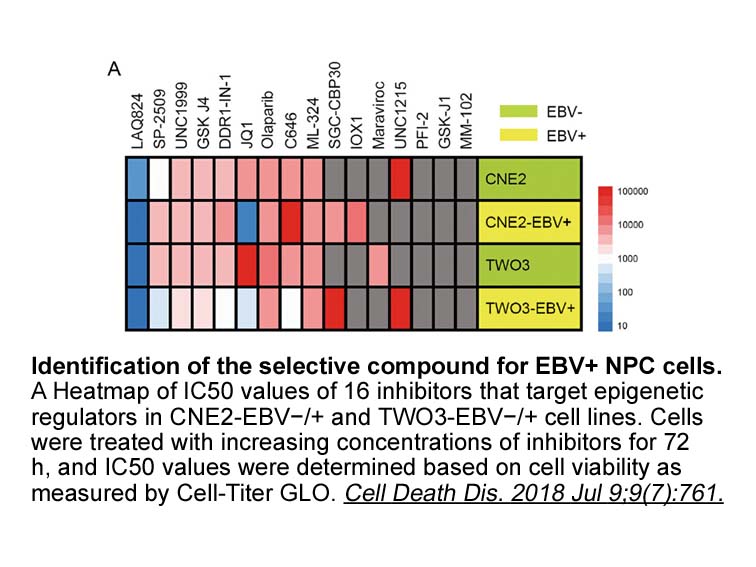
The X-ray crystal structure of palbociclib bound to CDK6 without a Altretamine synthesis (PDB ID: 5L2I) is very similar to that of the CDK6-cyclin V structure (Fig. 7B). However, the drug binds to the αCout conformation of monomeric CDK6 while it binds to the αCin conformation of the CDK6-cyclin V
-
So far few studies have been conducted
2019-11-18
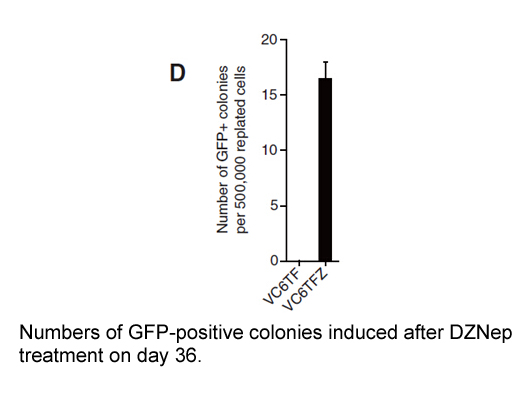
So far few studies have been conducted on the role of chemokines in patients with PTSD and avoidant personality disorders. Ogłodek et al. [10] in her studies found an increase in the level of the chemokine CCL-5 in patients with avoidant personality disorder and general anxiety disorder (GAD) as com
-
Previous research has suggested that
2019-11-18
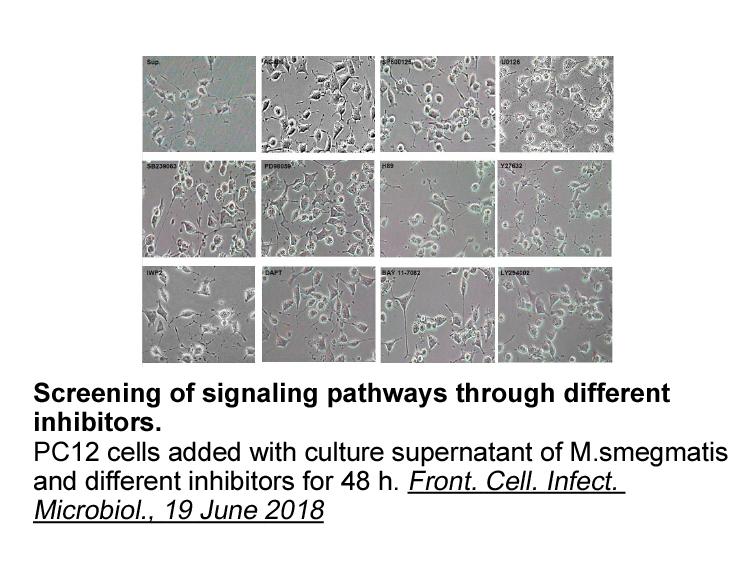
Previous research has suggested that the acetylcholine-gated chloride channels (ACCs) in Caenorhabditis elegans (Putrenko et al., 2005) exhibit the characteristics of promising drug targets. The genes that encode the various subunits of this family are present across the nematode phylum and appear t
-
For this reason downstream components of
2019-11-18
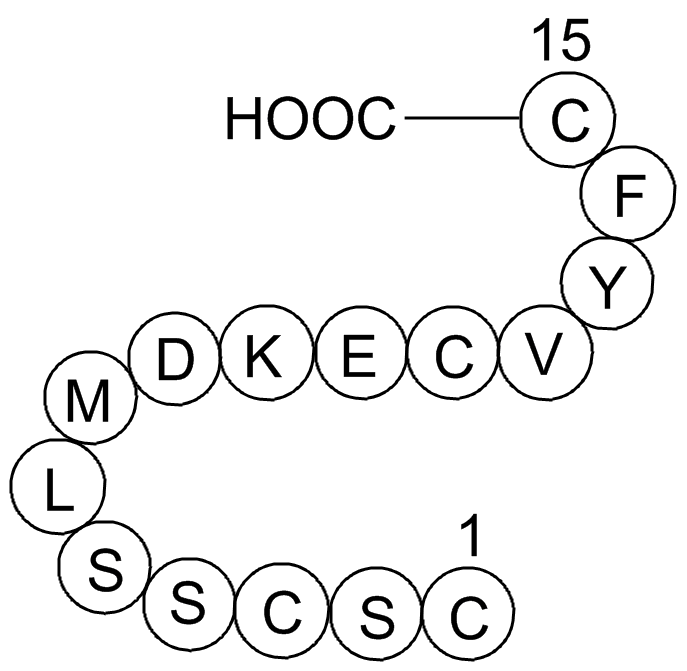
For this reason, downstream components of the inflammatory pathway have been investigated in the search for alternative targets. Targeting such downstream elements might result in safer and more tolerable analgesics. PGE mediates its effects through binding to four G-protein-coupled receptors (EP1-4
-
Nrf and HO are key factors
2019-11-18
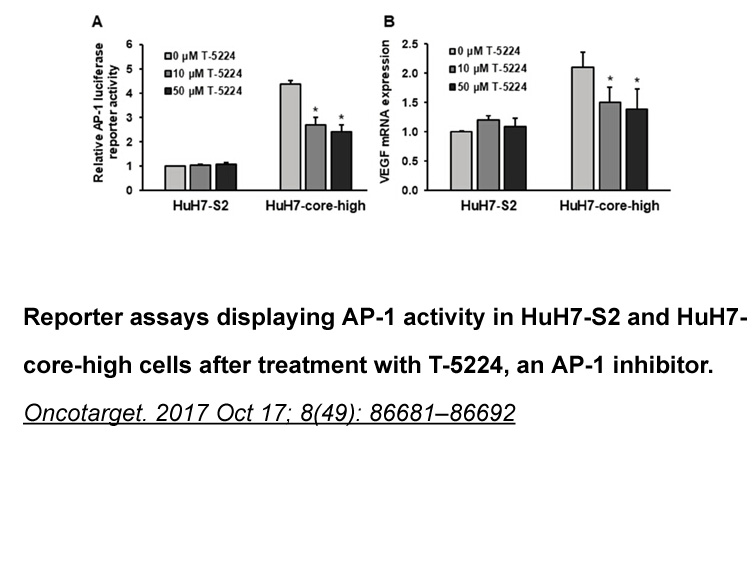
Nrf2 and HO-1 are key factors in the regulation of oxidative stress in the body. Research has shown that KLF2 can activate Nrf2 and HO-1 [14]. To investigate the mechanisms by which KLF2 regulates eNOS uncoupling and oxidative stress, Nrf2 was inhibited or HO-1 was knocked down in KLF2 overexpressin
-
The possibility that a carboxyl group attached
2019-11-18
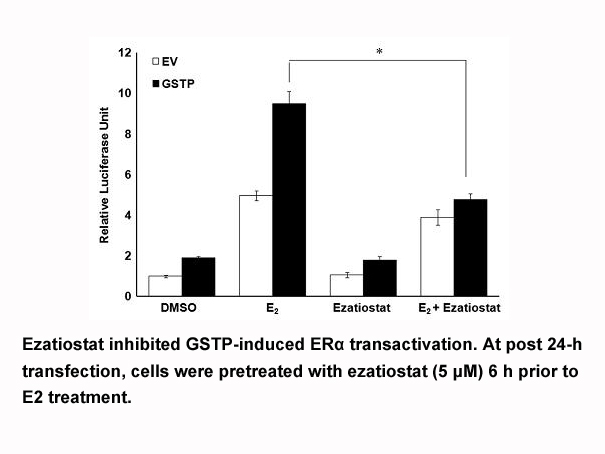
The possibility that a carboxyl group attached to the or position of an -arylaminomethylenemalonate ester would lead to increased selectivity for DHODH has been tested and found not to be the case. Indeed, reduced selectivity compared with the corresponding ester is observed and is attributed to a
16113 records 935/1075 page Previous Next First page 上5页 931932933934935 下5页 Last page